There are several ways to start creating a melody.
Here’s a guide to help you get started with composing one.
Let’s break the creative process into a few clear steps.
- Choose a Scale and Key:
Every melody operates within a framework of notes, known as a scale or mode. Decide which scale and key best suit the mood, genre, and music style you’re aiming for. - Play or sing the scale to familiarize yourself with its sound.
- Begin with a Phrase:
A melody often starts with a simple idea—sometimes just a single note. Play or sing that note to establish a starting point, then experiment with the first phrase. - Listen carefully and decide how you’d like to continue: Will the melody move upward or downward? What tempo feels right—fast or slow? Which time signature (meter) matches the mood? What rhythmic patterns work best for your melody?
- Iterate and Refine:
Continue adding notes and experimenting with melodic movement and phrasing. Trust your ear, make adjustments, and refine the melody until it feels just right.
Another approach to composing a melody is through melodic improvisation. Try singing or playing your own melody while layering it over the following popular chord progressions.
For greater clarity, let’s begin with the keys of C major and C minor.
The examples below are based on common chord progressions.
Example 1
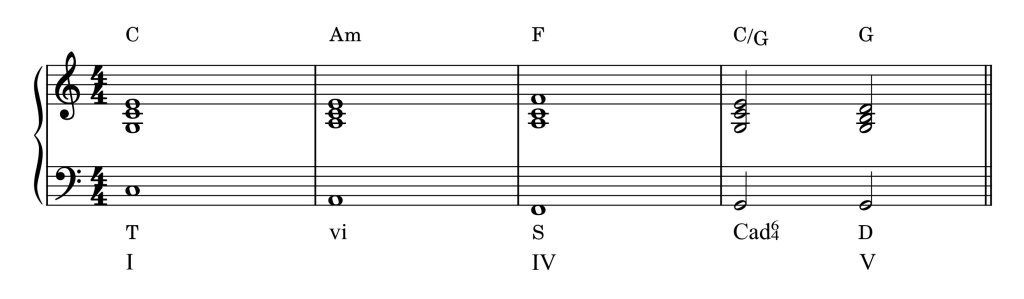
Example 1, version 1
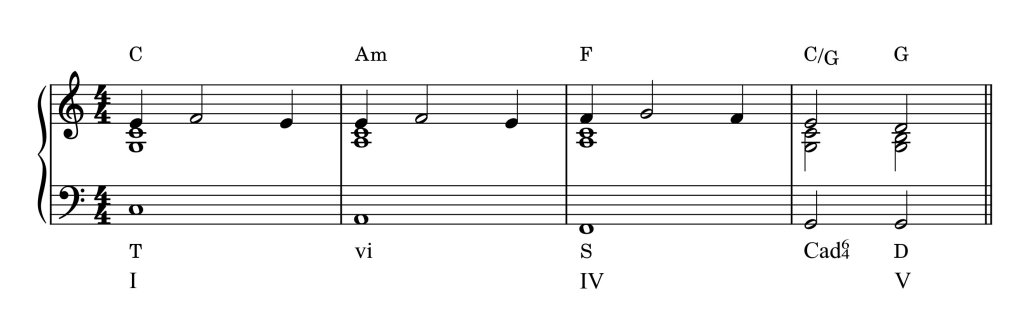
Example 1, version 2
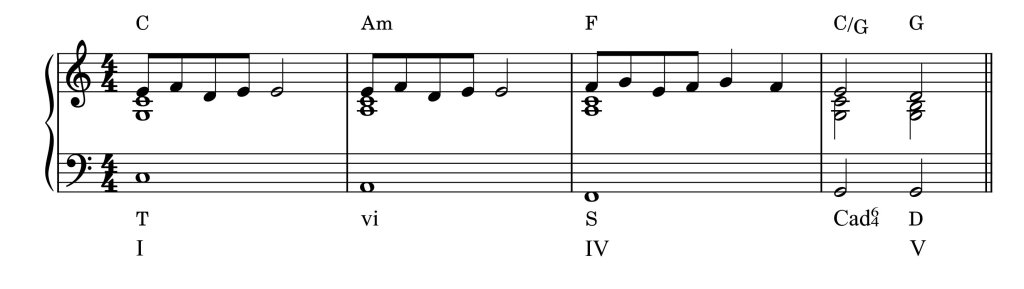
Example 1, version 3
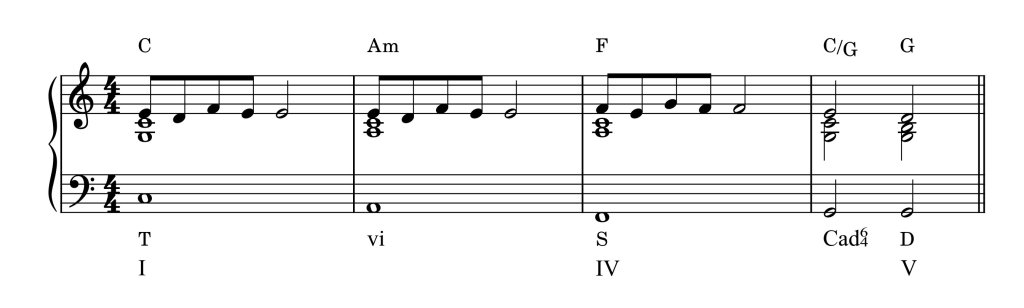
Example 2
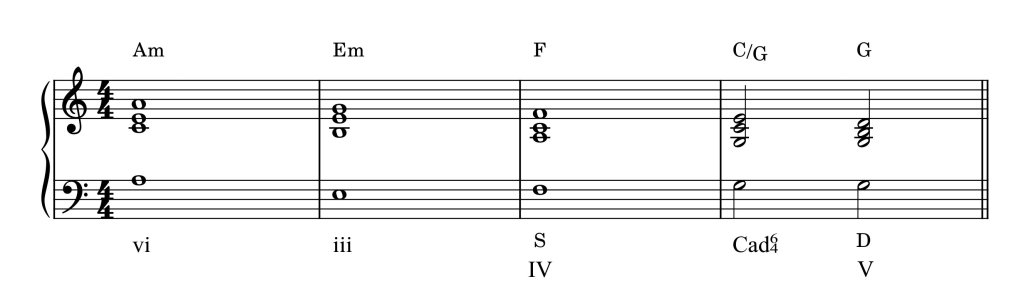
Example 2, version 1
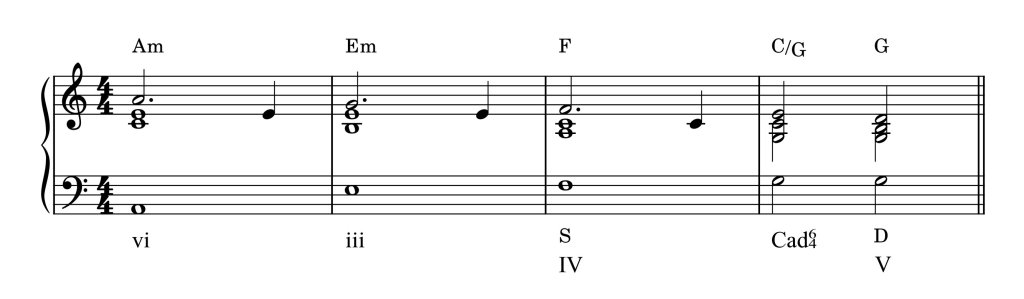
Example 2, version 2
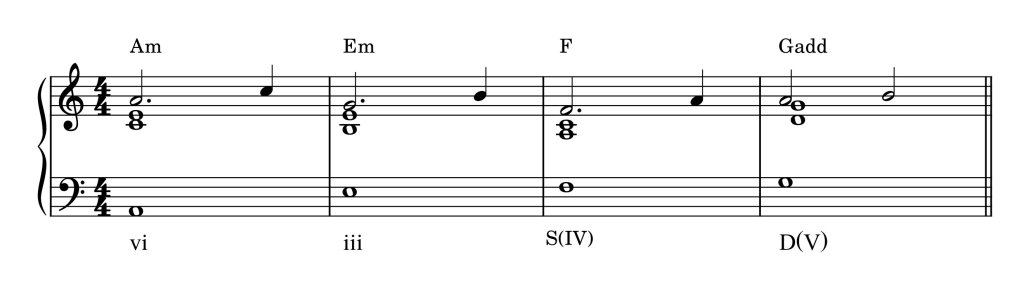
Example 3
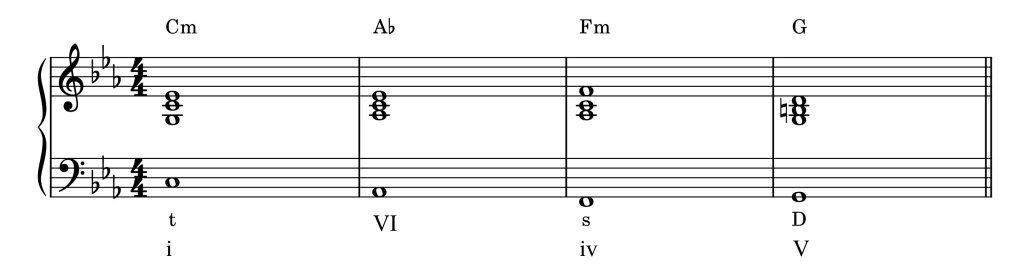
Example 3, version 1
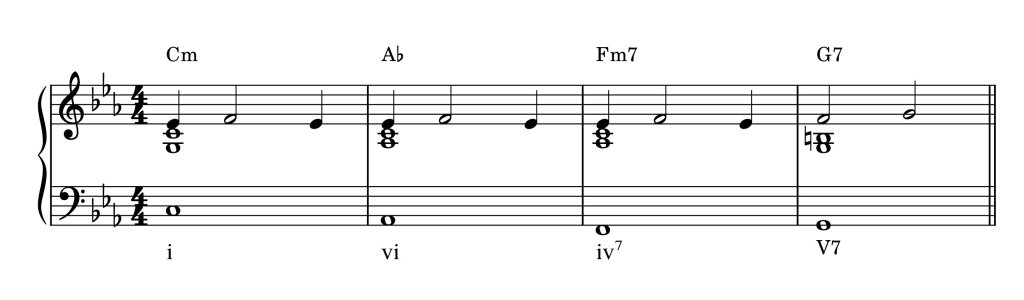
Example 4
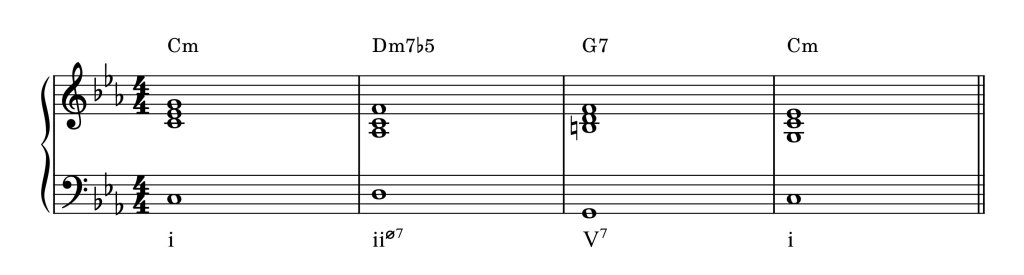
Example 4, version 1
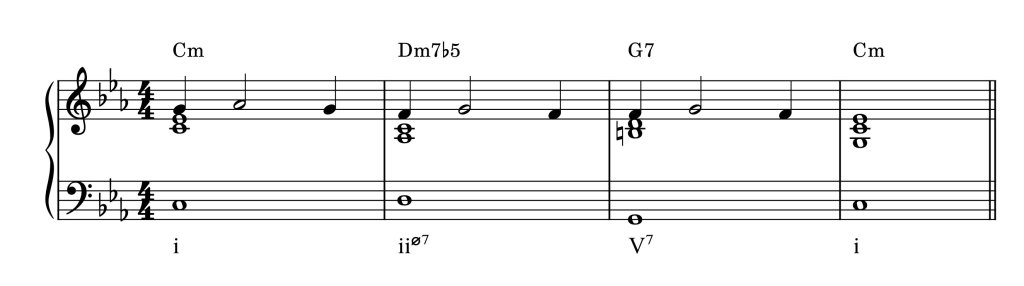
Example 5
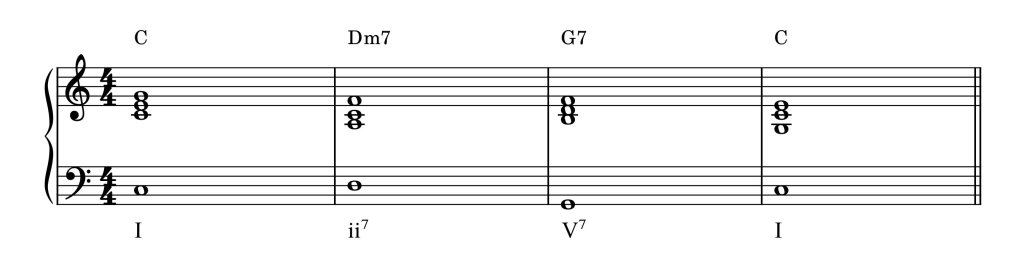
Example 5, version 1
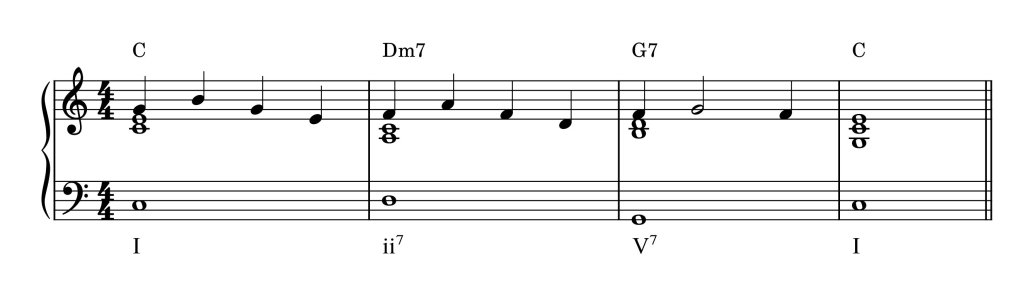
Example 5, version 2
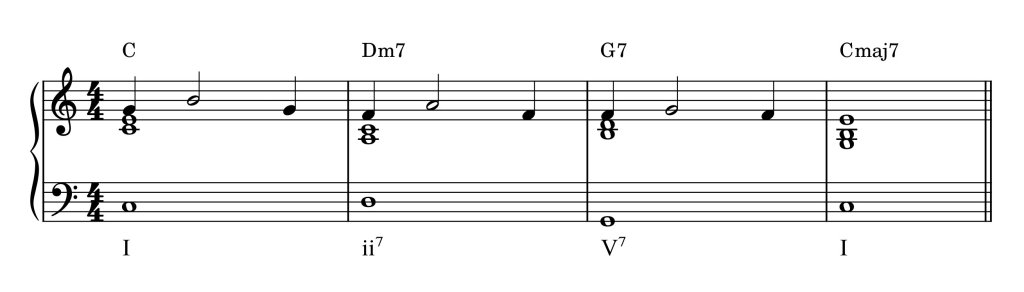
Example 6
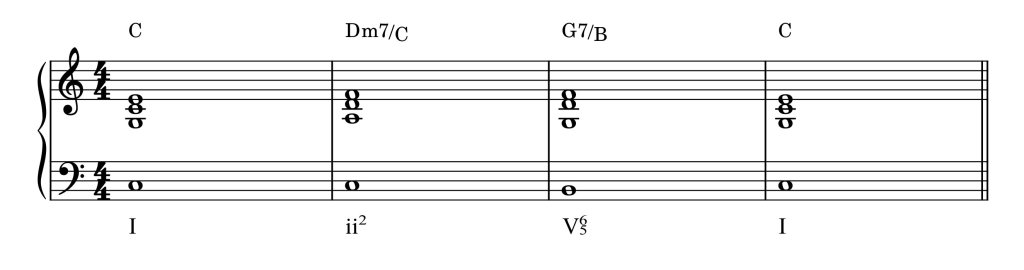
Example 6, version 1
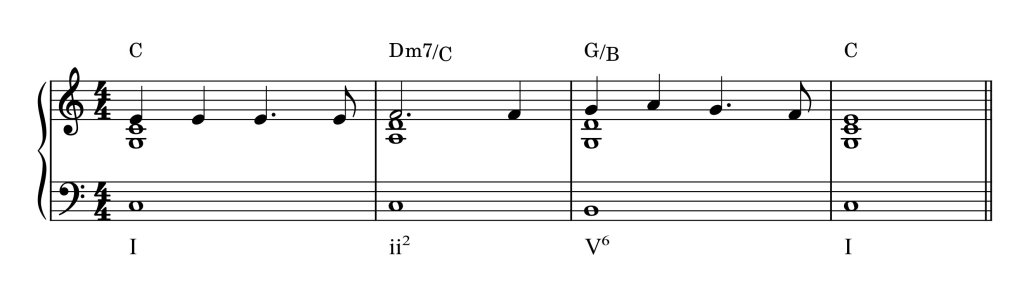

Leave a comment