A triad, a crucial chord structure in music, consists of three notes stacked in thirds, as shown in Example below.
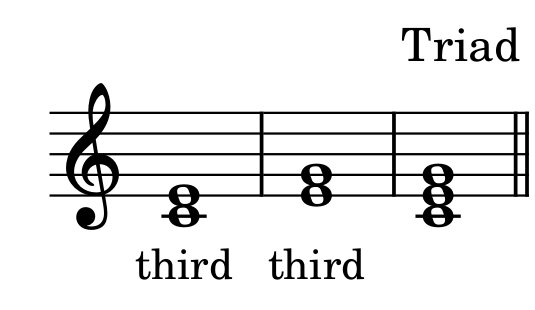
The three essential notes, called chord tones, that form a triad are:
- the root (also called the main tone),
- the third (an interval of a third above the root);
- the fifth (an interval of a fifth above the root).

The quality and sound of a chord are determined by the distance between the root note and the third and fifth chord tones.
Thus, there are four types of triads in music.
1. The major triad, which produces a bright, cheerful and uplifting sound, consists of the root (R), major third (M3) and perfect fifth (P5) above the root:

2. The minor triad conveys a sad, sometimes gloomy, and tragic emotion. It consists of a root (R), a minor third (m3) and a perfect fifth (P5) above the root:

3. The diminished triad sounds tense and unstable, as it is constructed by stacking two minor thirds (m3) and includes a diminished fifth (dim5) above the root:

This triad is a component of both the half-diminished and diminished seventh chords.
4. The augmented triad is formed by stacking two major thirds (M3) and includes an augmented fifth (aug5) above the root:

Unlike major, minor, and diminished triads, the augmented triad doesn’t naturally occur within a major or minor scale. The perception of the augmented triad’s sound may vary depending on the context, with qualities ranging from elegiac to ecstatic or whimsical.
Any triad has two inversions.
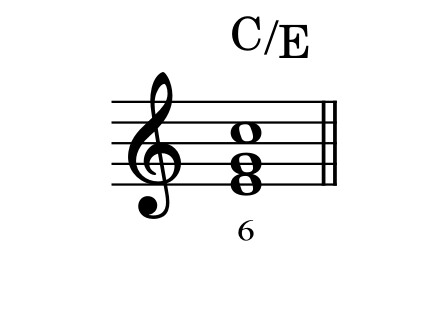
The first inversion places the third of the triad in the bass voice (indicated by the number 6):
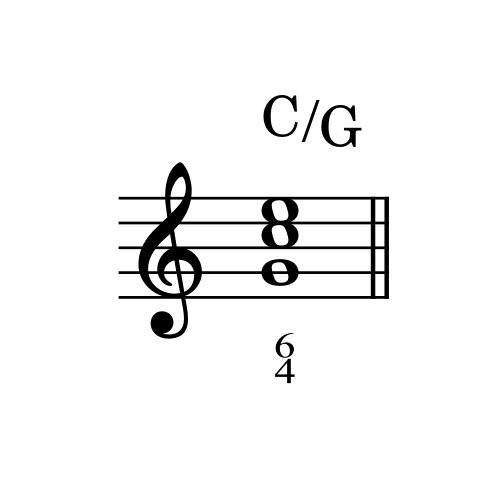
The second inversion places the fifth of the triad in the bass voice (indicated by the numbers 64):
Triads within a major scale are shown in the example below:

Triads within a minor scale are in the following example:

Triads are the foundation of chords, which are the building blocks of harmony in music. They are used extensively in all genres of music, from classical to jazz, pop and rock.
By learning about different types of triads and how they function, you can gain a deeper understanding of music theory and harmony, improve your musical skills and create own music. See also how to use triads in four-part harmony.

Leave a comment